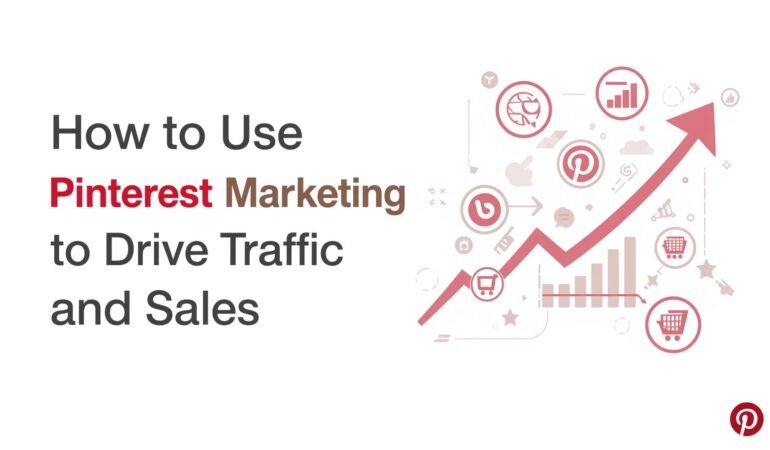
How to Use Pinterest Marketing to Drive Traffic and Sales

When people think of social media marketing, platforms like Facebook, Instagram, or TikTok often come to mind first. But there’s one platform that many businesses overlook—Pinterest. Unlike traditional social media, Pinterest is actually a visual search engine, which means users come to it with the intention of finding ideas, products, and inspiration. This makes Pinterest a powerful tool for driving consistent traffic, leads, and sales when used strategically.

In this article, we’ll explore why Pinterest marketing is valuable in 2025, how businesses can leverage it effectively, and the best practices to follow for success.


Why Pinterest is Different from Other Platforms

Pinterest isn’t about sharing updates with friends or posting personal stories. Instead, it functions like a digital mood board where users actively search for inspiration and solutions. Over 450 million people use Pinterest every month, and most of them are planners and shoppers.

That means unlike Facebook or Instagram, where people scroll for entertainment, Pinterest users often have a buying mindset. They’re looking for recipes, outfits, home décor, fitness tips, or even software solutions—and they’re ready to take action. For businesses, this translates into highly qualified traffic.


Businesses That Benefit Most from Pinterest

Pinterest works especially well for industries where visuals inspire decisions. Some examples include:

  • E-commerce stores (fashion, beauty, home décor, fitness gear)

  • Bloggers and coaches (sharing tips and resources)

  • Food brands (recipes, cooking tutorials)

  • Travel and lifestyle businesses (guides, experiences, photography)

  • DIY and craft creators (tutorials, handmade products)

Even B2B companies can use Pinterest by sharing infographics, eBooks, and tips that drive visitors to their websites.


Best Practices for Pinterest Marketing in 2025

1. Create Eye-Catching Pins

Since Pinterest is visual, design matters. Use bold colors, clear text overlays, and high-quality images to make your pins stand out. Vertical images (2:3 ratio) perform best, and tools like Canva make pin design simple even for beginners.

2. Use Keywords Strategically

Pinterest is a search engine, so keywords are critical. Add relevant keywords to your pin titles, descriptions, and board names. For example, if you’re a fitness coach, instead of just saying “workout tips,” try “30-day home workout plan for beginners.”

3. Organize Boards for Easy Navigation

Boards act like categories. For example, a bakery might create boards like “Wedding Cakes,” “Easy Cupcake Recipes,” and “Healthy Desserts.” Organized boards make it easier for users to find and save your content.

4. Be Consistent

Pinterest rewards consistent activity. Instead of posting 20 pins at once, spread them throughout the week. Tools like Tailwind can help automate scheduling.

5. Drive Traffic with Rich Pins

Rich Pins pull metadata from your website (like product details, recipes, or article headlines) directly into your pins, making them more informative and clickable.


Pinterest Ads – Boosting Growth

Organic reach on Pinterest is strong, but paid advertising can accelerate results. Pinterest Ads allow you to target users based on keywords, demographics, and interests. Unlike other platforms, Pinterest Ads often have a longer shelf life because promoted pins can keep driving traffic even after the campaign ends.

For example, a fashion brand can run ads for a new seasonal collection, and users might continue saving and clicking those pins for months.


Analytics and Tracking Success

Pinterest offers a built-in analytics dashboard where you can track impressions, saves, clicks, and conversions. This data helps refine your strategy—showing which pins perform best and what type of content your audience engages with most.

If you combine this with Google Analytics, you’ll get a full picture of how Pinterest traffic contributes to your website’s sales or lead generation.


Why Learning Pinterest Marketing Matters in 2025

Many businesses ignore Pinterest simply because they don’t understand how to use it. This creates a huge opportunity for marketers who know the platform well. With e-commerce booming and visual search growing, Pinterest is becoming a must-have channel for brand visibility.

By learning how to design pins, use keywords, and run ads, you can provide real value to businesses—or even grow your own brand faster than on more competitive platforms.


How Our Courses Help You Master Pinterest

At Amfa, our online digital marketing courses include a full section on Pinterest marketing strategies. You’ll learn:

  • How to set up and optimize your business account

  • Step-by-step pin design tutorials

  • Keyword research specifically for Pinterest

  • How to run cost-effective Pinterest Ads

  • Analytics and performance tracking

Whether you’re an entrepreneur, freelancer, or aspiring marketer, mastering Pinterest can set you apart in a competitive industry.


Final Thoughts

Pinterest may not get as much hype as TikTok or Instagram, but it’s one of the most powerful platforms for businesses that want steady traffic and sales. By treating Pinterest as both a social network and a search engine, you can tap into an audience that’s actively looking for products, services, and ideas.

👉 Ready to take your skills to the next level? Enroll in our online digital marketing course today and learn how to use Pinterest—and many other platforms—to build a successful online presence.
Read More
Facebook Marketing in 2025 – Still Worth It?

Facebook Marketing in 2025 – Still Worth It?

When Facebook first launched in 2004, it was a simple platform for connecting with friends. Two decades later, it has transformed into one of the most powerful marketing tools in the world. With nearly 3 billion monthly active users, Facebook remains the largest social media platform on the planet. But in 2025, with new competitors like TikTok and the rise of AI-driven platforms, many business owners and marketers ask the same question: Is Facebook marketing still worth it?

The short answer: absolutely. But success on Facebook today requires strategy, creativity, and an understanding of how the platform works in the current digital landscape.


Why Facebook is Still Relevant in 2025

Despite fierce competition, Facebook continues to dominate the social media space for three key reasons:

  1. Massive User Base – Facebook’s user base spans nearly every age group, making it an ideal platform for reaching diverse audiences. While TikTok and Snapchat dominate among younger users, Facebook remains strong with millennials, Gen X, and older generations.

  2. Advanced Advertising Tools – Facebook Ads Manager offers some of the most powerful targeting options available. Businesses can reach audiences by interests, demographics, behaviors, and even retarget users who’ve visited their websites.

  3. Integration with Meta Ecosystem – Facebook is connected to Instagram, WhatsApp, and Messenger. This means marketers can run cross-platform campaigns seamlessly, increasing visibility across multiple apps with a single ad spend.


Organic Reach vs. Paid Ads

One challenge marketers face on Facebook is declining organic reach. Years ago, a simple post could reach thousands of followers. Today, Facebook’s algorithm prioritizes personal content from friends and family, meaning business posts often struggle to gain traction.

This doesn’t mean Facebook is useless without ads. Businesses can still build communities through Facebook Groups, live videos, and consistent posting. But for brands that want faster growth, paid advertising is essential.


How Businesses Can Use Facebook Effectively

1. Create a Business Page that Converts

Your Facebook Page is often the first point of contact with potential customers. A well-optimized page should include:

  • A professional profile and cover image

  • A clear call-to-action button (Shop Now, Contact Us, Learn More)

  • Business details like contact info and website link

  • Regular posts that provide value, not just promotions

2. Build Communities with Facebook Groups

Groups are one of Facebook’s most underrated features. Unlike pages, groups allow deeper engagement by connecting like-minded people around specific interests. For example, a fitness coach could create a group called “30-Day Home Workout Challenge” and use it to nurture leads while building trust.

3. Run Targeted Facebook Ads

Facebook Ads remain one of the most cost-effective ways to reach new customers. You can target by age, gender, location, interests, and even behaviors like “people who recently bought online.” Retargeting ads—showing ads to people who visited your website—are especially powerful for increasing conversions.

4. Use Facebook Marketplace and Shops

With online shopping booming, Facebook has positioned itself as an e-commerce hub. Businesses can sell products directly through Facebook Shops and Marketplace, giving customers a frictionless buying experience without leaving the app.

5. Leverage Video and Live Streaming

Video continues to outperform other types of content. Live sessions, behind-the-scenes clips, tutorials, and customer testimonials all boost engagement. With the rise of Reels (short-form videos), Facebook is also competing with TikTok directly.


Future Trends in Facebook Marketing

The way people use Facebook is evolving. Here are a few key trends shaping 2025:

  • AI-Driven Advertising – Meta is rolling out AI tools that automatically generate ad creatives, captions, and targeting suggestions.

  • Privacy Updates – With stricter data laws, businesses will need to rely more on building email lists and communities instead of only depending on ads.

  • Cross-Platform Campaigns – Expect more integration between Facebook, Instagram, and WhatsApp, making it easier to run unified marketing campaigns.

  • Short-Form Video Dominance – Reels and Stories are getting more priority in the algorithm, so businesses need to adapt their content strategy accordingly.


Why Learning Facebook Marketing Is Crucial

With all its changes and complexities, Facebook can feel overwhelming to beginners. Many businesses waste money on ads because they don’t know how to properly set up campaigns, choose audiences, or analyze results. That’s why learning structured Facebook marketing is a game-changer.

By mastering Facebook Ads, organic strategies, and analytics, you can:

  • Launch campaigns that deliver real ROI

  • Help small businesses grow their online presence

  • Build a valuable career in digital marketing or social media management


How Our Courses Help You Succeed on Facebook

At [Your Company Name], our digital marketing courses include a full module on Facebook marketing. You’ll learn:

  • How to set up and optimize a business page

  • Proven strategies for organic growth and engagement

  • Step-by-step guidance on Facebook Ads Manager

  • Budgeting, targeting, and retargeting techniques

  • How to track ad performance and scale winning campaigns

Our training ensures you don’t just learn theory—you’ll gain the practical skills needed to create profitable Facebook strategies.


Final Thoughts

So, is Facebook marketing still worth it in 2025? The answer is yes—but only if you approach it the right way. Businesses that understand how to combine community-building with smart advertising will continue to thrive on the platform.

If you’re ready to turn Facebook into a powerful growth engine for your career or business, now is the time to learn.

👉 Enroll in our online digital marketing course today and discover how to leverage Facebook, along with other key platforms, to drive real results.

Read More

TikTok Marketing – Reaching the Next Generation

TikTok has exploded into one of the fastest-growing social media platforms in history, with over 1.5 billion monthly active users worldwide. Known for short, engaging videos, TikTok has transformed how people consume content—and how businesses connect with customers.

In 2025, TikTok is no longer just a place for dance challenges and memes. It has become a serious marketing platform where brands of all sizes can build awareness, create viral campaigns, and drive sales. If your business or career goals involve reaching younger, highly engaged audiences, TikTok marketing is essential.


Why TikTok is So Powerful

TikTok’s algorithm is unlike any other platform. Instead of focusing mainly on who you follow, TikTok’s For You Page (FYP) surfaces content based on user interests and behavior. This means that even small accounts have the chance to go viral and reach millions of viewers overnight.

Some reasons TikTok is a game-changer for marketing include:

  1. Massive Reach – With billions of downloads, TikTok reaches global audiences across all age groups, especially Gen Z and millennials.

  2. High Engagement – Users spend an average of 95 minutes per day on the app, giving brands more opportunities to capture attention.

  3. Trend-Driven Culture – TikTok thrives on trending sounds, challenges, and memes, allowing creative marketers to ride the wave and increase visibility.


Types of Content That Perform Well

Success on TikTok comes down to creativity and authenticity. Businesses don’t need expensive cameras or polished ads—what works best is relatable, entertaining content. Here are some examples:

  • Behind-the-Scenes Clips – Show your brand’s personality by revealing how products are made or how your team works.

  • Tutorials and Tips – Quick “how-to” videos perform well because they provide instant value.

  • Challenges and Trends – Participating in trending hashtags or sounds increases visibility.

  • User-Generated Content (UGC) – Sharing content created by customers builds trust and credibility.

  • Storytelling – Narratives about your brand or customer experiences can resonate deeply.

For example, a skincare brand might post a “before and after” video showing product results in under 30 seconds—a format that performs exceptionally well on TikTok.


TikTok Ads – Accelerating Growth

While organic reach on TikTok is strong, businesses can amplify results through TikTok Ads. Ad formats include:

  • In-Feed Ads – Appear naturally within the feed, blending in with user content.

  • Branded Content & Hashtag Challenges – Encourage users to create content around a theme or hashtag, boosting engagement.

  • Top View Ads – Premium ad placements shown at the top of the FYP for maximum visibility.

  • Spark Ads – Boost organic posts, either from your account or from influencers.

TikTok’s ad platform also offers advanced targeting based on demographics, interests, and behaviors, making it easier to reach the right audience.


Influencer Marketing on TikTok

One of TikTok’s strongest features is the power of influencers. Unlike Instagram, where influencer campaigns can feel polished and sales-driven, TikTok creators thrive on authenticity.

Micro-influencers (accounts with 10K–100K followers) often deliver higher engagement rates than big celebrities. Partnering with the right influencers can help brands tap into communities and build trust faster.


Tips for Succeeding on TikTok in 2025

  1. Be Authentic – TikTok users value realness over perfection. Avoid overly scripted ads.

  2. Post Consistently – Frequent posting helps the algorithm recognize and push your content.

  3. Engage with Trends Quickly – Jumping on trends early gives you a better chance of going viral.

  4. Focus on the First 3 Seconds – Attention spans are short, so hook viewers right away.

  5. Measure and Adapt – Use TikTok Analytics to track performance and refine your strategy.


Why Learning TikTok Marketing Matters

TikTok is no longer optional—it’s where future customers are spending their time. Businesses that embrace it can generate massive brand awareness and sales, while marketers who specialize in TikTok can position themselves for high-demand careers.

By mastering TikTok marketing, you can:

  • Build viral campaigns for businesses

  • Create personal brands with global reach

  • Leverage short-form video skills that apply across platforms like Instagram Reels and YouTube Shorts


How Our Courses Help You Master TikTok

At Amfa, our digital marketing courses include dedicated training on TikTok strategies. You’ll learn:

  • How to set up and optimize a TikTok business account

  • Content creation strategies for organic growth

  • How to identify and leverage trends effectively

  • Step-by-step ad campaign setup and targeting

  • Influencer marketing and UGC collaboration strategies

By the end of the course, you’ll know how to use TikTok not just for fun—but as a serious marketing channel to grow businesses and careers.


Final Thoughts

TikTok has revolutionized how brands connect with audiences. Its algorithm gives every business a chance to shine, whether you’re a startup or a global company. The key is to create authentic, trend-driven, and valuable content that resonates with viewers.

👉 If you’re ready to tap into TikTok’s power and future-proof your marketing skills, enroll in our online digital marketing course today. Learn how to master TikTok alongside Facebook, YouTube, Pinterest, and more.

Read More
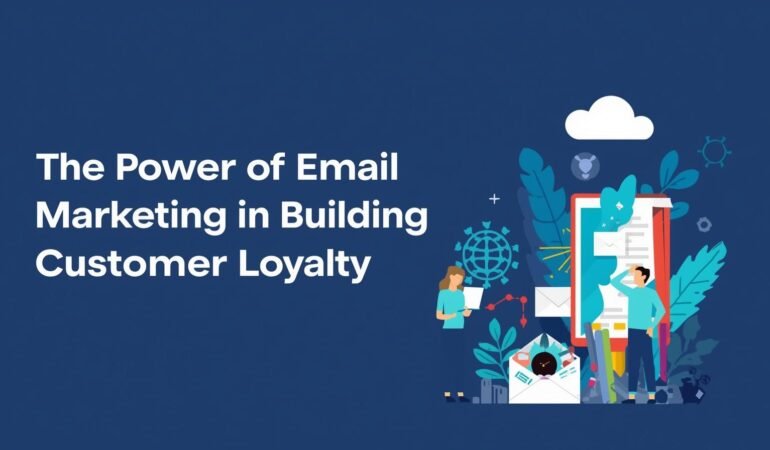
The Power of Email Marketing in Building Customer Loyalty

The Power of Email Marketing in Building Customer Loyalty

In a world filled with new social media platforms and flashy ad campaigns, it’s easy to overlook one of the oldest and most reliable digital marketing tools—email marketing. But here’s the truth: email is far from outdated. In fact, it remains one of the highest-ROI marketing channels, with an average return of $36 for every $1 spent.

In 2025, email marketing continues to be a powerhouse for businesses that want to nurture customer relationships, build loyalty, and drive consistent sales. Whether you’re a startup, freelancer, or established company, learning how to use email effectively can transform your digital strategy.


Why Email Marketing Still Matters

Unlike social media platforms, where algorithms decide who sees your posts, email gives you direct access to your audience. When someone subscribes to your email list, they’re giving you permission to connect with them personally. That’s powerful.

Some key reasons email is still essential:

  1. Ownership of Audience – You don’t own your followers on Facebook or TikTok, but your email list is yours.

  2. High ROI – No other channel consistently delivers such a strong return on investment.

  3. Personalization – Emails can be tailored to customer preferences, behaviors, and past purchases.

  4. Automation – With tools like Mailchimp or ConvertKit, you can set up campaigns that run automatically while you focus on other parts of your business.


Building a Strong Email List

The foundation of email marketing is a quality subscriber list. Buying lists is a waste—it leads to low engagement and spam complaints. Instead, focus on organic growth using:

  • Lead Magnets – Offer a freebie (ebook, discount, checklist) in exchange for an email address.

  • Opt-In Forms – Place sign-up forms on your website, landing pages, and social media profiles.

  • Exclusive Content – Encourage sign-ups by offering insider tips, early access to sales, or special deals.

Remember: quality matters more than quantity. A smaller, engaged list will outperform a large, uninterested one.


Writing Emails That Get Opened and Clicked

An email is only effective if people actually read it. Here’s how to boost open and click rates:

  1. Compelling Subject Lines – Your subject line is the first impression. Keep it short, clear, and intriguing. Example: “Your 3-step plan for better social media results”.

  2. Personalization – Use the subscriber’s name and segment your list so messages are relevant.

  3. Valuable Content – Focus on solving problems, not just selling. Mix educational content with promotions.

  4. Clear Call-to-Action (CTA) – Every email should guide readers toward one action—clicking a link, downloading a guide, or making a purchase.


Types of Email Campaigns That Work

There are several types of emails businesses can send, each serving a unique purpose:

  • Welcome Series – Introduce new subscribers to your brand and set expectations.

  • Promotional Emails – Announce sales, discounts, or product launches.

  • Educational Content – Share tips, tutorials, or guides that position you as an expert.

  • Cart Abandonment Emails – Remind shoppers about items left in their cart.

  • Re-Engagement Campaigns – Win back subscribers who haven’t opened your emails in a while.

A well-rounded strategy combines different email types to keep audiences engaged.


Automation – Working Smarter, Not Harder

One of the biggest advantages of email marketing today is automation. With modern tools, you can create sequences that automatically:

  • Send a welcome message when someone subscribes

  • Nurture leads with helpful content over time

  • Trigger reminders when a customer abandons a cart

  • Recommend products based on past purchases

Automation saves time while ensuring every subscriber gets timely, personalized communication.


Measuring Success with Email Analytics

Email platforms provide valuable insights. Key metrics to track include:

  • Open Rate – Percentage of subscribers who open your email

  • Click-Through Rate (CTR) – Percentage of readers who click your links

  • Conversion Rate – Percentage of subscribers who take the desired action (purchase, sign-up, etc.)

  • Unsubscribes – A sign you may need to improve relevance or frequency

By analyzing these numbers, you can refine your strategy and improve results over time.


Why Learning Email Marketing Matters

Email may not be the “shiny new toy” in digital marketing, but that’s exactly why it’s so valuable. While trends change quickly, email remains stable, reliable, and profitable. Businesses that know how to leverage it gain a long-term competitive advantage.

By mastering email marketing, you can:

  • Help businesses build loyal customer relationships

  • Generate steady revenue streams through automation

  • Add an in-demand skill to your digital marketing career


How Our Courses Help You Master Email Marketing

At Amfa, our digital marketing training covers email marketing in depth. You’ll learn:

  • How to build and grow an email list

  • Writing subject lines and copy that get results

  • Setting up automated campaigns step by step

  • Using analytics to improve performance

  • Combining email with social media and paid ads for maximum impact

By the end, you’ll be equipped to create email strategies that convert subscribers into loyal customers.


Final Thoughts

Email marketing is not only alive in 2025—it’s thriving. While social platforms come and go, email remains a direct, personal, and profitable way to connect with audiences. Businesses that master it will always have an edge, and marketers with email expertise will always be in demand.

👉 Ready to take your digital marketing skills to the next level? Enroll in our online course today and learn how to build powerful email campaigns alongside SEO, Facebook, TikTok, YouTube, and more.

Read More